Introduction
The IP address 172.16.252.214;4300 might look like a random string of numbers, but in network management, it carries significant meaning. It represents a private IP address paired with a specific port number that can be used for internal communication, testing, or system configurations. Understanding how this type of address functions helps IT professionals manage connectivity, troubleshoot issues, and optimize network security.
What Does 172.16.252.214;4300 Represent?
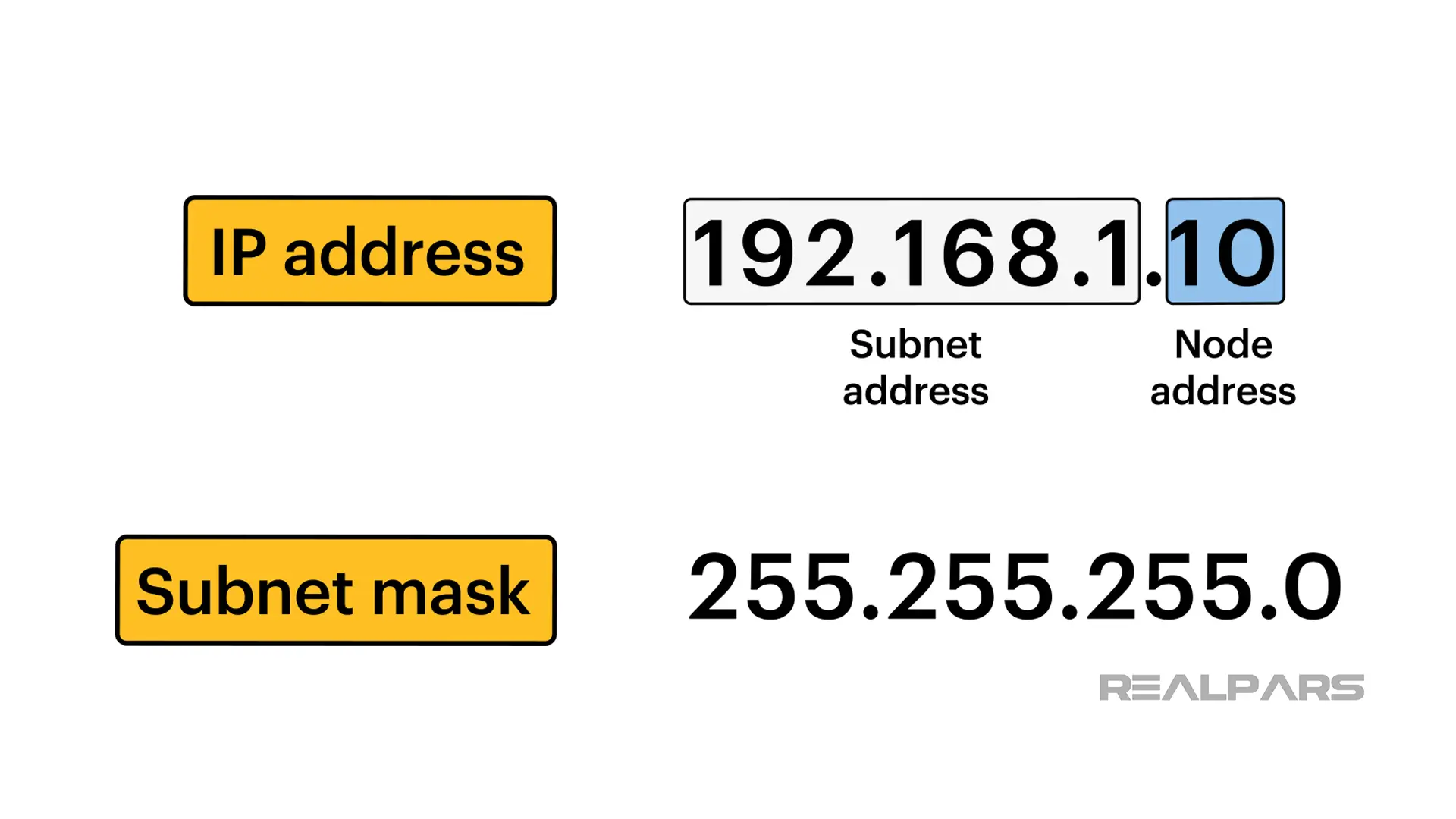
The notation 172.16.252.214;4300 combines two key elements — the IP address and the port number. The IP, “172.16.252.214,” belongs to the private Class B range (172.16.0.0 to 172.31.255.255), commonly used in local networks. The port “4300” identifies a specific service or application running on the host. Together, they enable communication between devices by directing traffic to a defined endpoint, ensuring that data reaches the correct destination within a system.
In simple terms, if an IP is a building address, then the port is the room number. So, 172.16.252.214;4300 directs network traffic precisely where it needs to go inside a particular machine or server.
Why Private IPs Like 172.16.252.214;4300 Matter
Private IPs such as 172.16.252.214;4300 play a crucial role in secure internal networking. They prevent external users from directly accessing internal systems, creating a protective layer for sensitive operations. Network administrators use these IPs to build virtual environments, test configurations, or run internal applications safely.
Since 172.16.252.214;4300 cannot be routed on the public internet, it ensures that internal systems communicate privately. This setup allows teams to test software, run development servers, and simulate live environments without risking exposure to unauthorized access.
Technical Breakdown of 172.16.252.214;4300
Let’s dissect 172.16.252.214;4300 more closely:
-
172.16.252.214 – The IP address used within a local network.
-
Port 4300 – A logical channel that determines which service or application the communication targets.
This combination can be seen in server configurations, database connections, or application settings. For instance, a developer may assign 172.16.252.214;4300 to an internal testing server to separate traffic from production systems. Such precision enhances reliability and minimizes disruptions during deployment.
Common Uses of 172.16.252.214;4300 in Real Environments
-
Local Application Testing: Developers often assign 172.16.252.214;4300 to sandbox environments for software debugging and integration tests.
-
Database Access Control: Network engineers might bind this address to internal databases, allowing only specific machines to communicate through port 4300.
-
Device Communication: IoT and automation systems can use addresses like 172.16.252.214;4300 to control data flow between smart devices within an organization.
-
Load Balancing: In large infrastructures, such addresses distribute workloads efficiently while maintaining internal privacy and performance.
These practical uses highlight the flexibility and control that private IP-port combinations like 172.16.252.214;4300 offer to IT departments.
Security Considerations for 172.16.252.214;4300
Even though 172.16.252.214;4300 is a private address, it still demands proper security configurations. Misconfigured firewalls or open ports could expose internal systems to unauthorized access. Network teams must:
-
Regularly audit firewall rules to ensure 172.16.252.214;4300 isn’t unintentionally exposed.
-
Implement strong authentication for services running on port 4300.
-
Use VPNs or secure tunnels when accessing systems using 172.16.252.214;4300 remotely.
A secure network always depends on the precision of configuration and continuous monitoring.
Optimizing Network Performance Using 172.16.252.214;4300
Efficient use of 172.16.252.214;4300 can enhance internal performance. By assigning specific ports to particular services, administrators can separate traffic types and avoid congestion. Monitoring tools can also use this address for testing connectivity or analyzing latency within private networks. This structured approach ensures that bandwidth is utilized effectively while maintaining seamless internal communication.
Troubleshooting Issues with 172.16.252.214;4300
When systems connected through 172.16.252.214;4300 fail to communicate, several steps can help diagnose the issue:
-
Ping Test: Confirms basic network reachability.
-
Port Scan: Ensures that port 4300 is open and accessible.
-
Configuration Review: Checks for misrouted traffic or duplicate IPs.
-
Firewall Logs: Identifies whether security rules are blocking access to 172.16.252.214;4300.
By following a structured troubleshooting process, IT professionals can maintain consistent uptime and reliability.
Conclusion
The IP and port pairing 172.16.252.214;4300 represents much more than numbers—it’s a foundation of organized, secure, and efficient networking. Whether used for internal communication, development testing, or system isolation, it ensures controlled data flow and stability within a private infrastructure. For network administrators and developers alike, mastering such configurations is a step toward stronger, smarter network management. See Also: ValueYourNetwork for more details.